Mp3Juice remains a popular browser-based tool for finding and converting music straight from services such as YouTube. While iOS and iPhones offer a smooth browsing experience, their handling of media downloads has important quirks. If you're using Safari on iPhone to search for, download, and play MP3 or MP4 files from Mp3Juice, these essential steps and tips will help you get the most out of your experience while keeping your files organized and accessible.
Searching and Selecting Music on Mp3Juice
The iPhone's Safari browser is fully capable of accessing the Mp3Juice site in the same way as a computer or Android phone. To start:
- Open Safari and navigate to Mp3Juice or enter the domain you're confident is correct. If you're unsure how to spot imitations, see How to Identify Mp3Juice Sites and Avoid Copycats.
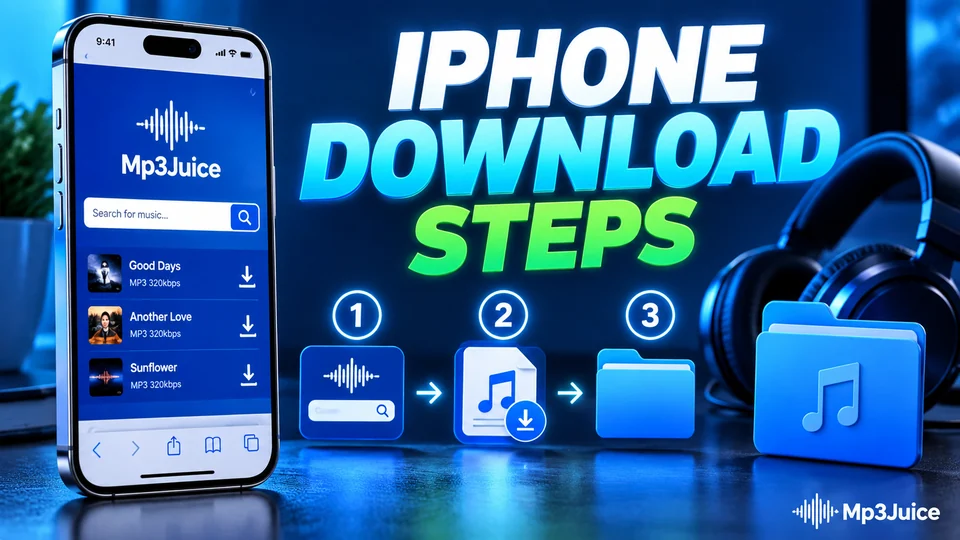
- Use the search bar to enter a song name, artist, or even paste a direct YouTube URL. For accurate results, use precise titles or performer info.
- The system will return a list of results. You may see multiple choices, official videos, remixes, or concert performances, so double-check details before proceeding.
Tap the track you want. Most songs will offer MP3 (audio) and MP4 (video) buttons. Some tracks let you preview before downloading to confirm it's the version or quality you need.
Selecting and Downloading Your Format
After choosing your result, Mp3Juice presents format options. On iPhone, you’ll typically see two main choices:
- MP3: Standard audio. Works with nearly all media apps that open generic files.
- MP4: Video plus audio. Larger downloads and may not be compatible with all players.
Tapping the desired format will trigger a Safari prompt: the browser will ask if you’d like to download the file. Accept by tapping Download, a small arrow icon will appear at the top of your Safari window to track the process. File size depends on track length and selected format, so watch for storage limits if your iPhone is nearly full.
Download Confirmation and Safari Download List
Safari keeps all current downloads in a small tray or list, accessible from the arrow icon by the address bar. Here is how to use it:
- Tap the download arrow any time to view files you’re currently downloading or have completed recently.
- You can tap a finished download to open it directly. Safari uses the Files app, not the Music app, so you’ll see the standard file viewer.
- If a download fails, tap the retry button or double-check your connection. A file that looks suspicious won’t start, and iOS may issue a warning if the server or file type is questionable, do not disable these safeguards for music files.
The download list stores recent history until it’s cleared or until storage management functions remove old files, so you can revisit tracks if you need again soon.
Where iOS Saves Your Mp3Juice Downloads
On iPhones and all iOS devices, Safari handles file downloads by saving them to the Files app. The exact location may depend on your device settings:
- Default: Downloads are saved in Files > On My iPhone > Downloads.
- If configured for cloud: Files may go to Files > iCloud Drive > Downloads if this was set in Safari’s Download preferences (Settings > Safari > Downloads).
This location remains separate from the iPhone's default Music app. No automatic import happens, downloaded content remains in the Files app unless you use third-party music or file management apps to move or play these tracks.
| Step | What Happens | Where to Find |
|---|---|---|
| Tap download | Safari saves file | Download icon > Files app |
| View in Safari | Opens file in default viewer | Files app location |
| Manual add to Music | Requires extra steps (see below) | Not automatic |
Playing Your Download vs. Adding to Music Library
Many users expect a downloaded MP3 to appear alongside iTunes or Apple Music tracks, but this is not how iOS works natively. Here’s what to know:
- You can play the downloaded file by tapping it in the Files app. The default previewer handles short tracks reasonably well.
- If you want playlist support or full music library features, you’ll need to manually import the file into Apple Music using a computer or, in rare cases, a dedicated file management app.
- Some third-party music apps (like VLC) can import and catalogue music from Files downloads, but they require installation and setup.
The simple Files-based approach is best for quick, local playback rather than building a lasting music library on iPhone.
Practical Checklist for iPhone Mp3Juice Downloads
- Confirm the track/version before download using preview if available.
- Check Safari’s download icon for progress and errors.
- Locate your files in the Files app, note your default download folder.
- Use the Files preview for quick listening. For more features, consider a compatible music player app.
- Keep your system download safeguards and permissions active for safety.
Important Format and Permission Notes
iOS's handling of audio formats means most standard MP3 downloads work, but MP4 (video) or rare codecs may have limited playback. Safari and Files do not adjust or improve sound quality. Re-encoded or lossy (compressed) files stay as they are, rerecording won’t restore detail. Also, keep in mind:
- Even if a download succeeds, it doesn’t automatically confer copyright or license rights for all uses. Always check local laws and the original platform's terms.
- Sites may show security warnings or prompt you to grant permission for downloads. Grant access to your storage when asked, but don’t override system-level warnings about insecure files.
Related Guides and Next Steps
- To master browser features and tips: see How to Use Mp3Juice Online in Your Browser.
- If you download often on mobile, you may benefit from the more detailed How to Use Mp3Juice on Mobile Devices guide.
- For audio format tips and quality understanding, visit MP3 Audio Explained.
How do I change Safari’s download folder on iPhone?
Go to Settings > Safari > Downloads. Choose either "On My iPhone" or "iCloud Drive" as the default. This change affects all future downloads in Safari, including those from Mp3Juice.
Can I import downloaded MP3 files into Apple Music directly on iPhone?
Not directly via Files or Safari. You must use a Mac with the Music app (or Windows with iTunes), then sync your library, or use a supported third-party app to play the downloaded files.
Is it safe to download MP3s from the browser to my iPhone?
If you use reputable sources and keep Safari’s built-in warnings and iOS permissions enabled, risk is minimised. Never bypass system security prompts and always review site legitimacy before downloading.