Mp3Juice is a browser-based platform that helps listeners search for music by song title, artist name, or direct URLs (such as from YouTube), and then download the track in a variety of outputs. Its process blends discovery and access, but using this workflow effectively relies on understanding where searching ends and downloading begins, how to choose the right output, and how to verify that your saved file matches your expectations, all while navigating the capabilities and technical limitations of browser downloads. This guide will walk you through each stage with practical examples and a three-step decision table for reference.
Stage 1: Accurately Identifying a Recording
The first phase in Mp3Juice’s workflow is to locate the exact track or version you want. This can be done by simply typing keywords (like song titles, artist names, or lyrics) into the main search bar, pasting an exact YouTube URL, or browsing regional or trending lists. Success at this step relies on being as specific as possible, differences in spelling, remixes, cover versions, and various uploads can yield dramatically different results.
- Keywords and Filters: Use precise queries ("Amapiano 2022 Focalistic Remix" instead of just "Amapiano").
- URL Input: Paste a direct YouTube link for an exact match when you know the recording source.
- Regional/Genre Lists: Browse homepage lists or trending charts for curated options if you’re exploring.
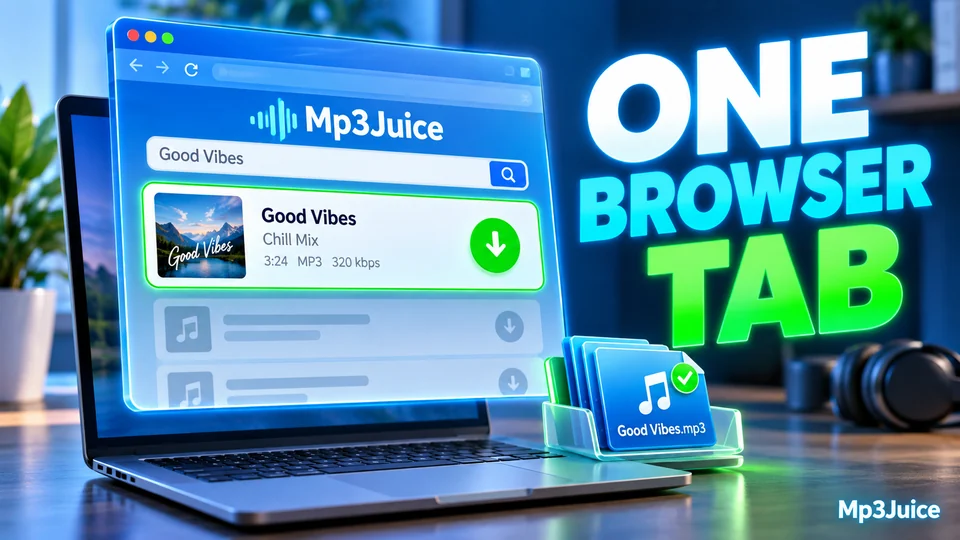
Completion of this step is marked by you viewing a clear list of selectable results, each result typically displaying title, artist, duration, and sometimes a thumbnail or preview option.
Stage 2: Choosing Your Output Format and Source
Once you’ve selected your desired recording from the results, Mp3Juice will display available download options. The most common are MP3 (for audio) and MP4 (for video), assembled from sources like YouTube through the platform’s embedded API partners (like Goapis). Previewing the file is often possible, allowing you to confirm audio or video quality before download.
- MP3: Standard audio format; compatible with nearly every device.
- MP4: Video version, useful if you want the visual content or are archiving music videos.
- Preview: Play a short sample to ensure this is the version or mix you want.
Note that you cannot set a custom bitrate or edit files on Mp3Juice itself; what you see in the download options is what’s available from the source. Repeated lossy encoding does not restore lost details, so choose carefully if quality matters.
Three-Stage Decision Table: From Search to Saved
| Stage | User Choice | Best Practice/Checks |
|---|---|---|
| 1. Identify Recording | Search keyword / Paste URL / Browse List | Be precise; preview if possible |
| 2. Choose Output | Select MP3, MP4, or Preview | Pick preferred format and verify source |
| 3. Verify Saved File | Open file from downloads | Check playback and match details (artist, version, duration) |
This structure ensures you do not accidentally end up with the wrong track, a lower-quality version, or a misnamed file.
Where Search Ends and Download Begins
Search concludes when you select a result and choose an output (MP3/MP4). The download phase starts when you click the output option, at this point, Mp3Juice hands off the file to your browser’s download system. That system controls where the file is saved (typically a Downloads folder), its management, and your post-download options. No further selections or guarantees are managed by Mp3Juice once your browser begins saving the file.
Stage 3: Verifying Your Saved File
After the browser download completes, you need to confirm that the saved file:
- Plays correctly in your media player
- Matches your intended song (right version, artist, and length)
- Is accessible in your expected location (Downloads folder or specified path)
On mobile devices, this location often appears in your Files app under Downloads (iOS or Android). On laptops or PCs, it is usually the Downloads folder set in your browser’s preferences. Files are not auto-added to music libraries; you can import or organize as needed after download.
Practical Example and Comparison Table
Consider the scenario of searching for the official track “Jerusalema” by Master KG featuring Nomcebo on Mp3Juice:
| Query | Result | Output Option | Verification Step |
|---|---|---|---|
| "Jerusalema" | Multiple results (original, remixes, covers) | MP3 / MP4 | Check duration, preview audio |
| Exact YouTube URL | Matches specific upload | MP3 / MP4 | File name and playback match YouTube version |
By comparing the result’s details and previewing before you download, you minimize the risk of saving the wrong recording.
Quick Checklist: Successful Mp3Juice Usage
- Search using precise keywords or paste a direct URL for accuracy
- Preview your selection before downloading if offered
- Choose your preferred format (MP3 for audio, MP4 for video)
- Confirm your browser’s download location and saved file
- Verify the track plays as expected before organizing or sharing
Advanced Tips and Troubleshooting
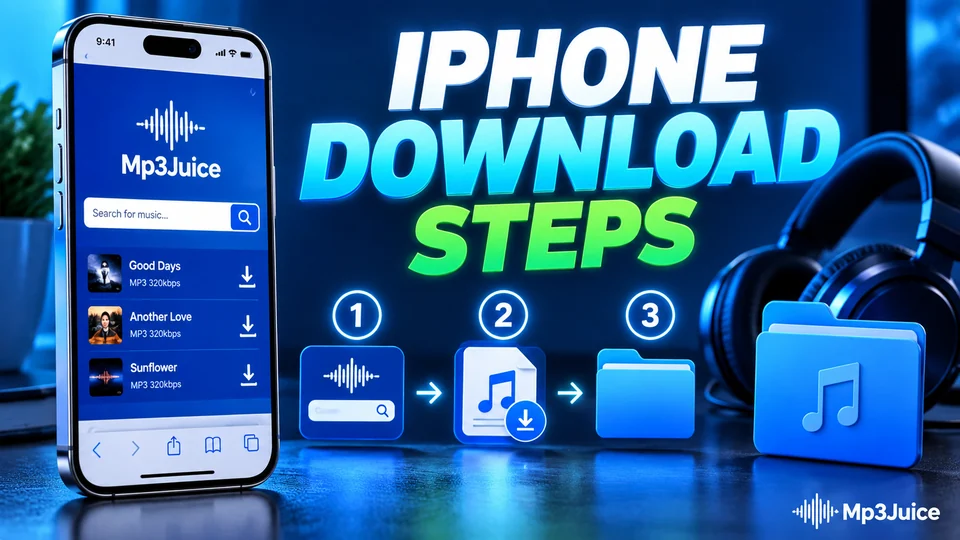
If your saved file isn’t as expected, revisit your search strategy or use alternative keywords. Browser warnings should be heeded, do not bypass security alerts, and always check your connection is secure. If your device has unique saving behaviors (as on iOS), refer to location settings or use support guides like the Mp3Juice iPhone workflow guide. For in-depth troubleshooting, see MP3 download troubleshooting or check Mp3Juice safety advice.
Related Guides and Resources
- How to Use Mp3Juice Online in Your Browser
- Mp3Juice homepage for regional charts and main search
- Find Songs Faster With Mp3Juice Music Search
- Is Mp3Juice Safe to Use in 2026
Frequently Asked Questions
How do I know if my Mp3Juice download is the correct version?
Always compare details such as title, artist, duration, and preview (if available) before downloading. After saving, play the file and check it matches your intended recording.
Where can I find my saved music file on my device?
Downloaded files usually appear in your device’s standard Downloads folder. On mobile devices, locate them via the Files app; browser download history often shows the saved location.
Can I select audio quality or change the download file type on Mp3Juice?
No; available bitrate and file types are determined by the source, not customizable by users. Select from what the output menu offers (MP3 or MP4) for each recording.