Mp3Juice is a well-known online tool for finding and converting music, especially from YouTube sources. If you want to extract an MP3 audio file from a YouTube video, it is essential to focus on content you are authorized to access and use. This guide walks through each step, emphasizing practical permissions, how to verify source legitimacy, the differences between streaming and downloaded files, and what to expect when selecting audio formats on Mp3Juice.
Why Starting with Authorization Matters
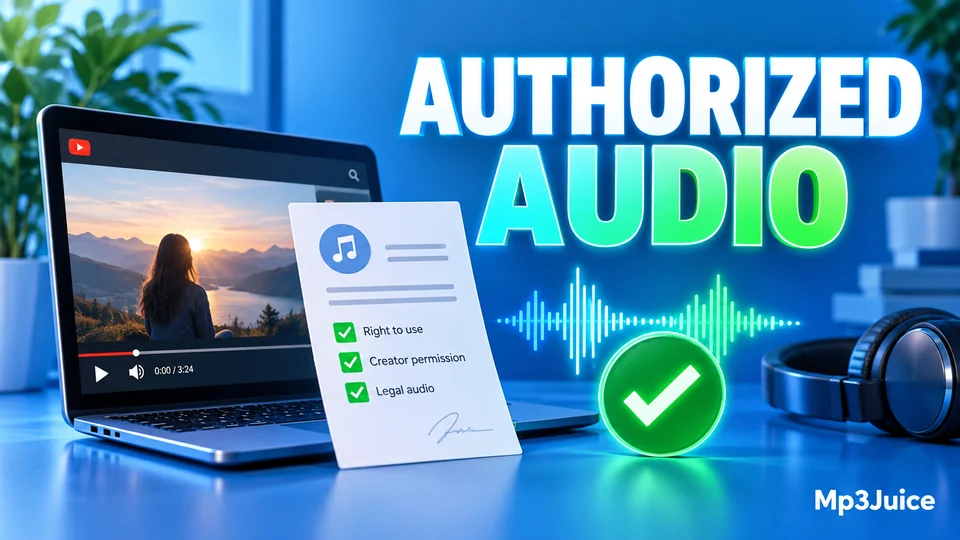
Converting audio from YouTube or any platform is not just technical, it also involves legality and respect for rights holders. YouTube's library contains a wide mix of content, some of which is clearly labeled with open licenses, while the majority is protected. Mp3Juice itself does not grant rights to use music; it only provides a way to extract audio when permitted by the source's terms. It is up to the user to check if the content is authorized for the intended use.
How to Verify a Legitimate Source
For authorized use, you need to confirm that either:
- The original uploader has provided a license (e.g., Creative Commons) or explicit permission for download and offline use.
- The content is your own, or you have written agreement with all rights holders involved (such as the performer, composer, and producer).
- The video is part of the public domain or accompanied by a clear waiver of rights.
To check this on YouTube:
- Review the video’s description for licensing terms.
- Look for Creative Commons or public domain declarations.
- Check for direct permission statements in the description, channel "About" page, or video comments.
Be aware, simply being able to view or share a video does not mean you can freely download or convert it to MP3. YouTube’s own terms typically prohibit storing copies unless explicitly allowed by the content owner.
Offline App Access vs Exported Files
It is important to distinguish between playing music through an app and having a file you can store, move, or share. Mp3Juice offers a browser-based experience, meaning it lets you either stream (preview) or download files. Streaming within the site is temporary and does not create a file on your device. Downloading exports an actual MP3 or MP4 to your device’s storage, subject to permissions and device controls.
Browser/App Access:
- Used for instant listening via embedded player
- No permanent file is created on your device
Exported Files:
- Downloaded via a browser or system dialog
- Saved to a location defined by your device/browser (e.g., Downloads folder)
- Media must be managed or imported into a music library manually
Permission Checklist: Before Downloading
- Confirm you have the right to download and use the audio for your purpose (personal use, educational, remix, etc.)
- Ensure the video’s license or the rights holder’s statements explicitly allow download and transformation of the work
- Check for copyright notices or warnings that indicate restricted use
- If you are unsure, seek written permission from the creator or rights holder before proceeding
- Never assume “no restriction” just because a video is publicly viewable
Practical Example: Mp3Juice YouTube to MP3 Step-by-Step
- Identify an eligible YouTube video (for example, a song uploaded under Creative Commons by an independent artist).
- Copy the exact YouTube video URL, verifying license details as discussed above.
- Paste the URL into Mp3Juice’s search field (either on the home page or through the YouTube to MP3 tool).
- Select the desired audio quality and initiate conversion.
- Download the MP3 file, ensuring you store it in a secure, managed folder on your device.
If you only want to listen and not save, you can preview the audio through Mp3Juice without creating a new file. Remember, exported files are yours to organize; they are not linked to any streaming or online account.
Format Options and Download Limits
Mp3Juice uses MP3 as the primary audio export format. While MP3 files are convenient and widely compatible, note the following:
- MP3 is a lossy format; repeated conversions can degrade quality
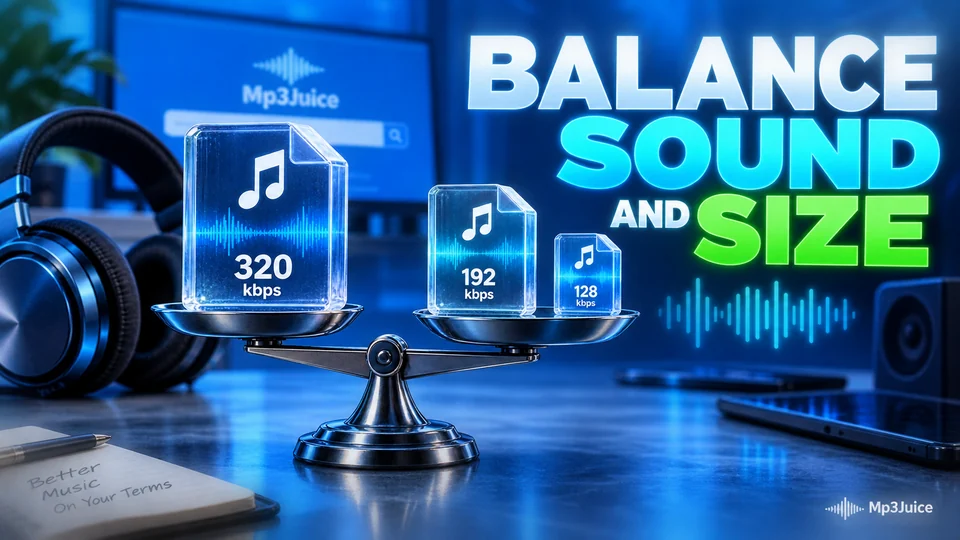
- Current Mp3Juice features do not allow you to select every possible bitrate or export as lossless audio
- Downloaded files are typically stereo and standardized in sample rate appropriate for general listening
- There is no built-in batch download or playlist export
The site facilitates single downloads per video or query session. For alternative format needs (such as MP4 video or different bitrates), related tools like the YouTube Downloader or MP3 Downloader may be available, each with its own limits.
| Feature | Mp3Juice Capability | Access Notes |
|---|---|---|
| Audio Download | MP3, single file/session | Permission required for source |
| Batch Download | Not available | Manual, file-by-file only |
| Bitrate Choice | Common standard only | No custom export |
| Lossless Audio | Not supported | MP3 format only |
Managing Downloaded Files on Different Devices
Once you have downloaded an MP3, it will be located wherever your device or browser saves files by default. For example:
- On Android and iOS devices, check the Downloads folder in your Files app
- On Windows, it is usually in the Downloads directory
- On macOS, you may find it in Downloads or under Recents
Simply downloading a file does not automatically add it to your music player’s library. You may need to manually import it. To learn more about different device steps for managing MP3s, the article Downloaded Music on Every Device provides detailed guidance. If you need a refresher on finding and selecting music efficiently, see Find Songs Faster With Mp3Juice Music Search.
Final Checklist: Staying Authorized and Safe
- Always review the video’s description or channel info for licensing/rights data
- Keep your browser’s safe download settings enabled
- Avoid using unfamiliar sites or tools that claim to offer batch, anonymous or unlimited access
- When in doubt, refer to source platform terms or consult the rights owner
- You can start at the Mp3Juice homepage for single-track lookup or conversion, always checking your permissions first
Frequently Asked Questions
Can I convert any YouTube video to MP3 for personal use?
No, you must have explicit authorization or the content must be offered under a permissive license. Not all videos are legally convertible, even for personal use.
Why can't I find higher bitrate or lossless options on Mp3Juice?
Mp3Juice converts to standard MP3 quality, suitable for most listening but does not offer custom bitrate or lossless exports. Further technical detail is available in the Mp3Juice Audio Quality and Bitrate Guide.
Where does a downloaded MP3 go on my device?
Your browser or device determines this location (e.g., Downloads folder). You may need to import it into your music library manually. Detailed help is available in the guide on Downloaded Music on Every Device.