Mp3Juice has become a familiar name for music fans seeking quick, no-cost MP3 downloads online. On the surface, its fee-free access is simple: you can enter a song name, artist, or even paste a YouTube link in your browser, and retrieve audio tracks without account requirements or payment. Yet, what does “free” really mean in this practical context? This comprehensive guide explores free access on Mp3Juice, the lawful sources it connects to, and the limitations every music fan should keep in mind, from mobile data costs and storage restrictions to device permissions and copyright responsibilities.
What Does Free Actually Mean on Mp3Juice?
When users see “free” on Mp3Juice or similar music search tools, it typically means:
- There’s no fee to search for songs, preview audio, or click download links through the web interface.
- You aren’t required to sign up for an account, provide credit card details, or pay a subscription.
- You can access the service directly through most web browsers without installing additional software.
However, “free” does not override the costs related to your mobile data usage, device storage, or compliance with the source platform’s terms. Downloading an MP3 still consumes bandwidth and physical space on your phone or PC. Additionally, the rights to keep, share, or use that music may depend on copyright law and the licensing status of the track.
Overview of Mp3Juice: How the Free Search and Download Works
Mp3Juice’s main feature is independent music search and instant preview or download, focused around song name, artist, or direct video links. The backend typically connects through APIs and search methods to locate publicly accessible streaming or video sources. Here’s what happens when you search:
- Enter Query: You type a song title, artist, or paste a public YouTube link.
- Search Results: The site displays a list of possible matches, these might include official uploads, lyric videos, remixes, or creative covers.
- Preview or Download: You can listen to a preview, and if the track is available, select a download option (usually MP3 or MP4 video format).
- Storage: The file saves to your device’s default download location. On mobile devices, this could be the Downloads folder, Files app, or a specific media folder set by your browser.
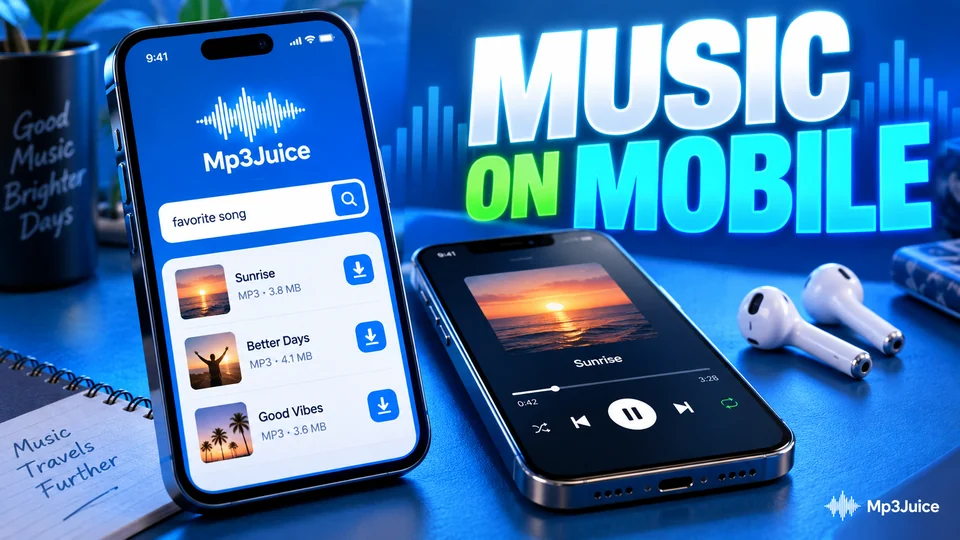
For a technical walkthrough, see the Mp3Juice Music Search and Download Guide or explore device-specific steps in How to Use Mp3Juice on Mobile Devices.
User-Side Costs: Mobile Data, Storage, and Permissions
Although using Mp3Juice does not cost money directly, users pay through device resources and potential privacy trade-offs. Consider the following:
- Mobile Data: Streaming a song preview or downloading a 3-5 minute MP3 (typically 3-6MB) uses data. Frequent downloads can contribute to exceeding monthly bandwidth limits, especially on prepaid mobile plans.
- Storage Freedom: Each new track takes up storage space. Hundreds of MP3s can fill entry-level smartphones or tablets quickly. Older downloads might occupy more space due to higher bitrate or MP4 video conversions.
- Permissions: Web-based downloaders require access to your device’s file system to save tracks. Always check and understand browser prompts regarding download permissions and granted folder access, especially on Android and iPhone browsers. Never accept suspicious or persistent permission requests outside of the download action.
For more on safe downloading and recommended practices, review Is Mp3Juice Safe to Use in 2026.
Free vs. Paid Lawful Sources Explained
Not all free access is the same. Mp3Juice’s search may retrieve tracks hosted on different platforms, sometimes works genuinely shared by creators or under open licenses, but in other instances, content uploaded by third parties without authorization.
| Source Type | User Rights (Typical) | Example Platforms |
|---|---|---|
| Open-Licensed or Public Domain | Listen, download, share (within rules) | Jamendo, Internet Archive, Free Music Archive |
| Self-Published or Artist-Promoted | Promotional use (sometimes limited) | SoundCloud (some tracks), Bandcamp (free tracks) |
| Commercial/Protected Works | Usually requires purchase or streaming rights | Spotify, Apple Music, YouTube (most music videos) |
Downloading content for which no rights have been granted could breach copyright law. Official platforms often support free streaming or limited promotional downloads, but not blanket copying or redistribution. Check usage terms for clarity, for example, a YouTube video’s terms are not reset by its appearance in a search result or download tool.
For more legal background, refer to Is Mp3Juice Legal and What Can You Download.
How to Find Legitimate Free Music on Mp3Juice
Although Mp3Juice indexes music broadly, you can search strategically for truly free tracks for personal or creative use:
- Search for artists advertising “creative commons,” “public domain,” or “free download” in the video or track title.
- Enter exact performer and song name to avoid confusion with covers or parodies.
- Review YouTube video descriptions for creator permissions or links to official sites with clearer licensing.
- Use the preview function to confirm authenticity before downloading.
- If in doubt, download only for private listening and do not redistribute or upload elsewhere.
See the Mp3Juice YouTube to MP3 Guide for Authorized Audio for focused tips on using search responsibly.
Checklist: Smart Free Music Downloading
- Know your device’s storage limits and manage space regularly.
- Monitor your mobile data usage, set app or system alerts if needed.
- Never override browser security warnings for downloads.
- Prefer artists or tracks promoting free use.
- Save files in familiar folders, locate them in your device’s Download or Files app.
- Review and accept only those permissions that are clearly related to file downloads.
The Role of Permissions and File Locations
Using a web-based service like Mp3Juice does not grant unlimited rights to music, downloading is simply one technical step. Each download requires browser permission to write data to your device. On iPhone or Android, downloaded files often land in the default browser folder or system Files app, not the standard music player. You may need to move or import tracks into your music app manually. If space runs short, deleting from the Downloads folder will free up storage without affecting account libraries, as Mp3Juice does not create personal cloud accounts.
Further Resources and Alternative Free Music Tools
If you want to explore more ways of finding truly free or creator-licensed music, consider:
- Curated platforms such as Free Music Archive, Jamendo, and band-hosted websites.
- Open-source or remix communities for background music or samples.
- Alternative search and conversion services, outlined in Best Mp3Juice Alternatives for Music Access.
- The Mp3Juice homepage for browser-based search and download options, requiring no app or registration.
Frequently Asked Questions
Is downloading music from Mp3Juice always legal?
No; legality depends on copyright. Download only when the song is public domain, Creative Commons, or the uploader offers free use. Commercial releases usually require payment or a streaming license.
Can I download as much as I want, or are there limits?
Mp3Juice does not typically impose direct limits, but your experience is constrained by Internet bandwidth, available device storage, and mobile data plans. Responsible use avoids service congestion and device issues.
Where do my downloads go, and do they open in my music app by default?
Downloads are saved in your browser’s folder (such as Downloads or Files). Some devices may require you to move or import files into the music library manually. Check your device’s settings for default locations.